 en
en fr
fr es
es de
de
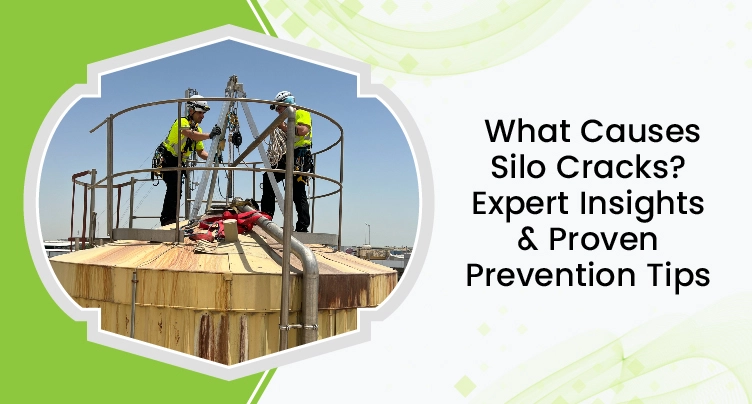
Silos play a key role in the industrial sector when it comes to containing materials such as grains, cement, and chemicals. Structural faults such as silo cracks affect both their efficiency and performance. To maintain the integrity and efficiency of silos in the long run, it is imperative that one finds out what triggers the formation of cracks in silos. With the expertise and services offered by Bioscan Ltd., industries can anticipate problems and avoid costly damages that result from silo cracks.
What Are Silo Cracks?
Silo cracks are structural cracks which can occur in the walls of silos because of stress, environmental influences or construction. The severity and appearance of these cracks will differ from place to place, and their effect on the stability of the structure will differ.
There are several types of silo cracks:
- Hairline Cracks: These cracks may occur on the surface and can get worse over time if left untreated.
- Structural cracks: Deep, which ultimately effect on bearing capacity
- Vertical and horizontal cracks: Usually appear when there are stress or stability issues with the foundations.
Leaky silos are an issue even at a small scale, as imperfections in the construction allow the entry of water and other undesirable materials, which could degrade the condition of the silo and its contents. Getting a professional inspection from companies like Bioscan Ltd can spot these problems early and help fix them.
Don’t let minor cracks turn into major structural failures. Act early with expert solutions
What Causes Silo Cracks?
1. Poor Design and Construction
Most of the problems related to the silos are due to poor construction techniques. In case the structural design is not sound, the loading is not done properly, or even the quality of materials is poor, then stress will not be uniform. It results in crack formation.
2. Uneven Foundation Settlement
Damage caused by silo foundations is a significant cause of damage to silos. If the foundation of the silo moves or subsides unevenly, it puts stress on the silo. This frequently leads to cracking in the storage silos, either vertically or diagonally, especially in large storage silos.
3. Thermal Expansion and Contraction
Temperature changes also cause materials to expand and contract. Over time, repeated heating and cooling can lead to structural degradation in steel and concrete silos, with visible cracking and failures at joints.
4. Overloading or unbalanced material distribution.
The internal pressure may be high when the material is loaded more than the amount that the silo can hold or when the material is not loaded evenly inside the silo. When this imbalance happens, it creates stress in certain areas, which results in cracks and structural failure.
5. Moisture and Corrosion
A problem with silos is water ingress. Water can permeate the concrete, contributing to cracking and reducing the durability of the concrete over time by causing corrosion of the reinforcement steel. Frequent surveys conducted by Bioscan Ltd can detect early moisture damage.
6. Poor Maintenance Practices
Small cracks can lead to big structural issues if they aren’t addressed immediately and inspections are not performed regularly. Inadequate repairs can result in greater expenses and safety hazards.
7. Environmental and External Factors
Due to structural stress and cracking caused by external stressors such as high winds, earthquakes, construction vibrations, and accidental impacts.
Risks Associated with Cracks in Silos
A crack in a silo is not only a structural problem but also a potentially dangerous one with regard to safe and efficient operation. Structural failure is perhaps the most dangerous and could lead to a complete collapse if cracks are not repaired. Cracks also allow for contamination, diminishing the quality of stored materials.
Additionally, leakage and material loss can impact productivity and profitability. The cost of repair is a lot higher if it is not attended to early. Mainly, cracks pose a safety risk for workers who work near or around the silo. Bioscan Ltd can effectively reduce the risks through regular inspection and timely repair services.
Must Read: Importance of Silo And Tank Inspections
How to Prevent Silo Cracks
Silo cracking can be prevented by applying the following methods:
1. Regular Maintenance of Silo Tank
Regular checks enable early damage to be identified. Small cracks can be a sign of a bigger problem, so it’s important to address them quickly.
2. Proper Design and Quality Construction
Quality materials and engineering best practices provide long life. Stress points in the structure can be reduced by proper design.
3. Load Management and Monitoring
Do not overfill and spread material evenly in the storage unit. Use of internal pressure to keep the structure balanced.
4. Protective Coatings and Moisture Control
Protective coating prevents water intrusion and corrosion. The life of silos can be greatly prolonged by moisture-control measures.
5. Use of Advanced Monitoring Systems
Structural health monitoring systems can now provide information on the conditions of the silo in real-time, which is useful for monitoring stress and damage. Industries can effectively employ preventive measures with the help of Bioscan Ltd.
Professional Silo Crack Inspection & Repair Services by Bioscan Ltd
Bioscan Ltd is an established company in the field of industrial equipment inspection services, providing specialised services in the field of silo tank inspection and repair. They have the experience in accurately detecting and resolving all types of silo cracks.
Key Services:
- A detailed inspection and analysis of the cracks.
- Structural integrity assessment is carried out comprehensively.
- Use of advanced diagnostic tools
- Repair solutions that are reliable and long-lasting
Benefits:
- Early detection of structural problems.
- Reduced repair and maintenance costs
- Better safety and compliance with regulations
With strong emphasis on precision and reliability, Bioscan Ltd assists industries to keep their equipment in silo performance and to extend the life of the equipment.
Ensure safety, durability, and compliance with professional silo crack services today.
Conclusion
The cracks in the silo can lead to serious structural and operational challenges if they are not addressed promptly. By understanding the reasons for cracks’ occurrence, either the influences of the environmental factor or design flaws, early prevention is possible. Periodic maintenance, sufficient supervision and periodic inspections are very critical for the smooth functioning of such silo systems.
It would be beneficial for organisations to work with such companies as Bioscan Ltd, a company that specialises in tank inspection services, to identify hazards, minimise operational interruptions, and enhance storage practices. Contact us now!
FAQs
1. What are silo cracks, and why are they dangerous?
The cracks that occur in silos are called the ‘silo cracks’, and if not addressed in a timely manner, can be a cause of silo failure and contamination and cause safety risks.
2. What are the most common causes of cracks in silos?
The most common causes are poor construction, an uneven foundation, overloading, moisture damage and environmental reasons.
3. Can overloading cause silo cracks?
Yes, when the capacity is exceeded or materials are not evenly distributed, it causes internal pressure and, as a result, cracks and structural damage.
4. How do environmental conditions contribute to silo cracks?
Issues like temperature changes, wind load, earthquake and external vibrations may cause stress in the structure and develop cracks over time.
5. How can silo cracks be prevented?
Regular inspections, design, controlled loading, moisture protection, and services by Bioscan Ltd help prevent cracks.
