 en
en fr
fr es
es de
de
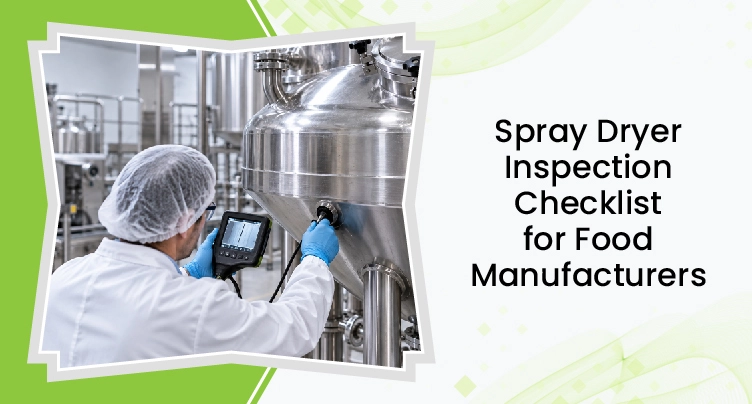
Spray dryers are crucial machines in food manufacturing which turn liquid feeds into powders, typically used to manufacture dairy products, infant formula, coffee and other relevant foods. Regardless of their importance, not having a clear routine of inspection affects spray drying, which further interferes with hygiene, batch consistency, and the overall production processes. A clear inspection routine lets teams catch residue, wear and structural changes before they create bigger problems.
This guide covers why checks matter, the main points to examine, the warning signs to watch, and how specialist support from Bioscan Ltd fits into a solid food processing equipment inspection plan.
Keep your spray dryers running safely and efficiently.
Why Spray Dryer Inspection Matters in Food Manufacturing
Spray dryers run at high temperatures with constant airflow. The conditions put real stress on chambers, nozzles, seals and supports. Skip systematic checks, and small issues can turn into risks for product safety or plant reliability.
Preventing Product Contamination
Contamination settles on residue buildups, corrosion, or damaged parts. Also, cracks or rough surfaces hold bacteria or allow material from one batch to mix with the next. Regular inspection spots these buildups early and helps keep product hygiene intact.
Maintaining Product Quality
Worn nozzles, uneven airflow or blocked exhaust can change the drying process and produce powder that falls outside specification. Finding those problems soon protects the finished product.
Reducing Unplanned Downtime
Instead of reacting to sudden failures, planned spray dryer inspections can fix spotted defects. As a result, it reduces downtime and production losses.
Supporting Equipment Safety
Weak welds, worn seals or airflow issues can affect the operation of the machine. Inspection reveals structural, mechanical or operational problems that need attention. Correcting them promptly through a spray dryer testing specialist protects both people and the plant.
Extending Equipment Service Life
Regular inspection of spray dryers at fixed intervals keeps the equipment safe. It extends the service life and helps the equipment last longer and keeps maintenance costs predictable.
What Should Be Checked During a Spray Dryer Inspection?
A proper check looks at both hygiene and mechanical condition. The list below gives a practical set of points for food manufacturers.
Spray Chamber and Internal Surfaces
Look at the walls, roof and floor for residue buildup, corrosion, cracks, deformation or surface wear. Watch the spots where residues tend to collect, like corners, welds and access points. Smooth, undamaged surfaces can be cleaned more easily, which further reduces the place for contamination to hide.
Nozzles and Atomisation Components
Check the nozzles for wear, erosion or blockage. When atomisation becomes uneven, the droplets vary in size. That can leave wet patches on the walls, create sticky deposits or produce powder with inconsistent properties. Confirm the spray pattern is even and clean or replace parts as required.
Air Distribution System
Examine the air inlets, ducts and distribution plates or vanes for blockage, buildup or damage. Restricted or uneven airflow creates hot and cold zones that upset drying efficiency and product consistency. Clear pathways keep process conditions stable.
Cyclones and Separation Components
Inspect the cyclone surfaces, cone sections and connections for wear, buildup and possible leaks. Check that the separators still recover product as intended and hold the expected pressure differences. Leaks or heavy deposits cut recovery rates and can raise dust levels.
Filters and Exhaust System
Look at the filters, bag houses or cartridges, ducts and exhaust paths for buildup, damage or restricted flow. Clogged filters increase energy use and can affect hygiene. Make sure the exhaust routes stay clear, so chamber pressure and drying rates remain steady.
Seals, Joints and Connections
Check seals, gaskets, flanges and joints for deterioration, cracking or leakage. These parts help keep processing conditions hygienic and controlled by stopping product from escaping and keeping outside contaminants out. Replace damaged seals without delay.
Structural Components
Examine supports, welds, platforms, ladders and other structural parts for corrosion, fatigue or other signs of wear. Thermal cycling and vibration stress compromise these elements’ strength over time. Finding problems early keeps access safe and the equipment stable for the longer term.
Specialist teams often add non-destructive testing methods that pick up defects the eye cannot see. That extra step strengthens overall food processing equipment inspection.
Warning Signs That Your Spray Dryer Needs Inspection
Treat any of the following as a reason for a closer look:
- Unusual Product Quality Variations: Shifts in moisture, particle size, bulk density or flow behaviour can point to equipment or process issues that need checking.
- Excessive Product Buildup: Heavy or frequent deposits on chamber walls, ducts or cyclones may signal problems with operating conditions, surface condition or airflow.
- Unusual Pressure or Airflow Changes: Sudden changes in differential pressure or airflow readings often indicate blockages, leaks or deteriorating components.
- Corrosion or Surface Damage: Visible pitting, rust or surface breakdown should be investigated before it worsens and affects hygiene or strength.
- Increased Cleaning Difficulty: Areas that become harder to clean can show surface damage, stubborn buildup or equipment wear that complicates CIP.
- Frequent Equipment Breakdowns: Repeated failures of nozzles, seals, fans or related parts may reveal gaps in inspection or maintenance.
Acting on these signs through focused food industry equipment inspection helps stop larger problems from developing.
Professional Food Processing Equipment Inspection by Bioscan Ltd.
Bioscan Ltd. focuses on integrity inspections for spray dryers and related process vessels used in food and pharmaceutical plants.
Our electronic testing technology works without dyes or chemicals. Technicians achieve full surface coverage and detect both visible and hidden defects/cracks, incomplete welds, corrosion cavities and porosity. Access methods such as custom gantries and rope access reduce the need for scaffolding and keep downtime short. A full inspection plus any food-grade repairs is often finished in 12-48 hours.
Bioscan Ltd’s inspection services help identify:
- Structural deterioration
- Surface defects and corrosion
- Product buildup and areas prone to contamination
- Equipment wear and damage
- Possible leakage points
- Conditions that affect performance
We also inspect fluid beds, process tanks, silos, bag filters, cyclones and similar systems. Detailed reports with images and findings support internal audits and external compliance work. Manufacturers looking for a reliable food industry inspection specialist, Bioscan is ready to help you. Contact us now!
Get a detailed assessment of your equipment condition.
Conclusion
Spray dryer inspection helps food manufacturers keep their product hygienic, quality steady, cut unplanned downtime, and enhance equipment life. Regular awareness with routine professional inspection helps build a strong foundation for product contamination prevention and uninterrupted operations.
When warning signs appear or a maintenance window opens, specialist support from Bioscan Ltd. delivers thorough, efficient assessment and repair. Review your current programme against the points above and schedule an appointment to keep your spray dryers running safely and efficiently.
