 en
en fr
fr es
es de
de
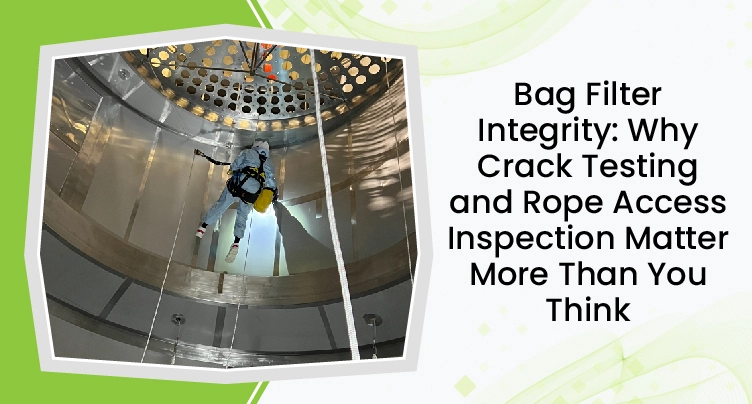
A bag filter is running fine on paper. Pressure readings are normal, output looks steady, nobody’s complaining. Then somebody notices a faint dust trail near a seam that shouldn’t be there. By the time it’s investigated, there’s a crack in the housing that’s been growing for months.
Most bag filter advice focuses on the operational side of things: bags, cages, cleaning cycles, differential pressure. That’s all useful, but none of it says anything about the structural condition of the vessel itself. A bag filter can have perfect airflow and still have a crack working its way through a weld seam that nobody’s checked in years. This article is about that other side of maintenance: how structural defects develop, why they’re so easy to miss, and what it actually takes to catch them before they become a bigger problem.
Why Structural Integrity Gets Overlooked?
Bag filters are built to handle constant airflow, temperature cycling, and dust loading, day after day, for years. That kind of sustained stress on welds and shell metal eventually shows up somewhere, usually at the points under the most strain: weld seams, the transition into the hopper, and cage support fittings.
The problem is that none of this registers on the instruments plants normally rely on. A pressure gauge tells you how the filter is performing, not what condition the metal is in. So a vessel can pass every operational check and still be quietly developing a structural fault underneath.
Ensure peak baghouse performance with expert inspection today.
What Structural Defects Actually Look Like?
The issues that matter here aren’t the ones you’d catch from outside the vessel.They include:
- Cracks along the shell or weld seams
- Welds that were never completed properly, or carried defects from the original fabrication
- Corrosion, pitting, and small cavities in the metal
- Porosity inside the weld material itself
- Thinning or weak spots in the shell wall
Left alone, any of these can progress into dust leakage, an emissions compliance issue, or, in serious cases, structural failure. And because none of them affects day-to-day performance until they’re advanced, the only reliable way to catch them early is to physically inspect the metal.
The Real Obstacle: Getting Inside
This is where most inspection plans run into trouble. Bag filters have limited entry points, and their internal layout varies from one design to the next, which makes the areas most likely to crack some of the hardest to physically reach.
Traditionally, that’s meant scaffolding. It gets the job done, but it’s slow and expensive, and the unit typically sits offline for the entire build before anyone has even looked at the metal. On a lot of sites, the cost of the scaffold ends up outweighing the cost of whatever the inspection actually finds. The access method, more than the inspection itself, is usually what drives the downtime and the bill.
A Faster Way In: Rope Access Inspection
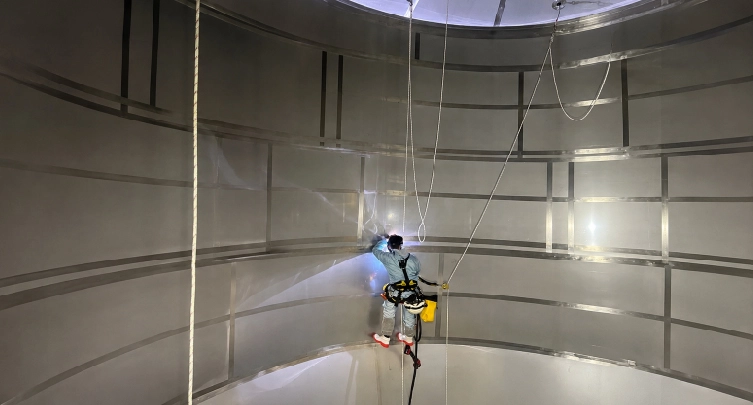
Rope access changes that equation. IRATA-certified technicians, working with ropes, anchors, harnesses and descenders, can reach the internal surfaces of a bag filter through openings the vessel already has, such as CIP nozzles, manways, and the bag and cage entry points. No scaffold needs to go up, and no weeks of planning are required around a scaffold build.
Done this way, it’s possible to reach 100% of the internal surface in a matter of hours rather than days. That means the areas most prone to cracking, the ones scaffolding often struggles to reach efficiently, get checked properly, not just the sections that happen to be accessible.
Inspection and Repair, Without a Second Visit
One of the practical advantages of this approach is that repair doesn’t have to wait for a second mobilisation. If a crack, weld defect, or area of corrosion turns up during inspection, welding repairs and polishing can often be carried out on the spot.
That said, the job isn’t finished once a weld is repaired. The heat-affected zone (HAZ) around a fresh weld needs to be re-checked, since welding can introduce its own stresses and occasionally its own defects. Re-inspecting the HAZ is what confirms a repair has actually held, rather than just assuming it has.
The Downtime Case for Doing It This Way
Put together, this approach offers a few clear advantages over scaffold-based inspection:
- Full coverage of internal surfaces, with no scaffold required
- Defects found and mapped using NDT methods
- Inspection and repair handled in a single mobilisation
- Typical turnaround of 4 to 12 hours, depending on size and repair scope
- A fraction of the downtime that scaffold-dependent inspection usually involves
For plants running tight schedules, that difference in downtime is often what makes structural inspection worth prioritising in the first place, rather than something that gets pushed back every planning cycle.
Who to Bring In for This Work
This isn’t a job for a general inspection contractor. It requires rope access certification, genuine NDT expertise, and welding capability, ideally within the same team, since splitting inspection and repair across separate contractors reintroduces the delay this whole approach is meant to avoid.
Bioscan Ltd. carries out crack testing, inspection, and repair of cyclones and bag filters using IRATA-certified rope access, reaching full internal coverage without scaffolding. Where defects are found, welding repair and the follow-up HAZ re-inspection are carried out in the same visit, so plants aren’t left waiting on a second mobilisation to get back into production.
Reduce downtime and maximise filtration efficiency effortlessly.
Conclusion
Bag filter integrity isn’t just about how well the system is running. It’s about whether the vessel itself is still sound underneath the operation. Regular structural inspection, done through rope access rather than scaffolding, is what catches cracks and weld defects before they turn into leaks, compliance issues, or unplanned downtime. It’s a smaller job than most plants expect, provided it’s done by people equipped to inspect, repair, and re-check all in one visit.
Working with trusted experts such as Bioscan Ltd., a trusted industrial inspection company, will further bolster maintenance activities, ensuring that you are informed with expert advice and accurate diagnostic data. Contact us now!
FAQs
1. What are the benefits of preventive baghouse maintenance?
Preventive maintenance maximises efficiency, minimises downtime, increases filter life and helps meet environmental standards, all of which will reduce operational costs.
2. How can regular baghouse inspections reduce operational costs?
Inspections detect problems at an early stage, thereby avoiding major failures, repair cost and production downtime.
3. How often should baghouse filters be inspected?
Periodic inspection is recommended, usually every few months or annually for detailed inspection, depending on filter usage.
4. How can you extend the life of bag filters?
Ensure adequate cleaning cycles, maintain operating conditions and regular inspections to avoid damage and wear.
5. How can industries improve baghouse filtration efficiency?
Through the optimisation of airflow, keeping cleaning systems, monitoring the pressure level and having professional inspection services.
