 en
en
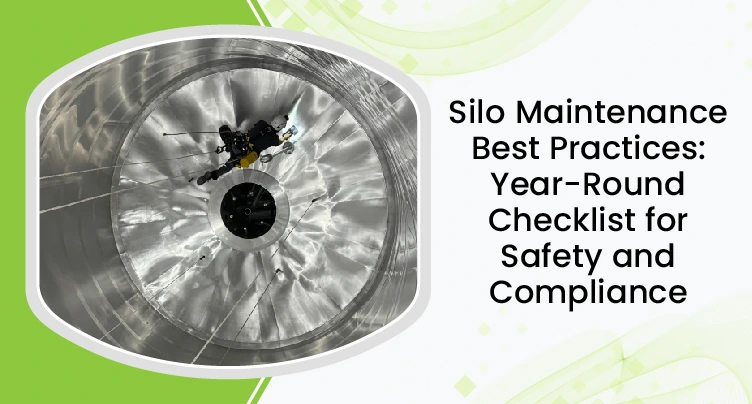
A silo may look normal from the outside, but its condition changes every single day. Temperature swings, loading cycles, cleaning and weather all place stress on the structure. Without a clear maintenance schedule for the steel silo, small issues can grow into serious safety compliance risks. From good grade storage to industrial bulk handling, regular checks ensure both product quality and the safety of personnel on site. This guide covers silo maintenance best practices that you can follow throughout the year. The fact that professional support and updated inspection equipment keep you safe, in compliance, and productive is also revealed.
Why Routine Silo Maintenance is Important
A silo is not really an idle machine. A silo is constantly vibrating from filling, discharging, and cleaning cycles. Without routine care, silo structural integrity checks will eventually reveal metal fatigue, hidden corrosion, or even wall distortion.
Planned maintenance reduces these risks and supports silo maintenance for safety and compliance. It also helps prevent microbial growth and product residue, especially in food and beverage storage. Meeting food-grade standards, audit demands, and safety certifications is not a one-time event. It requires consistent attention and records. For example, sites storing dairy powders or beverage intermediates must be inspected regularly to avoid biofilm formation, residue buildup, and contamination of future batches.
Download Complete Silo Maintenance Checklist
Core Silo Inspection & Maintenance Checklist
Year‑round industrial silo maintenance works best with a clear checklist. Here are the core areas that should be part of any annual silo maintenance checklist and routine walkdowns.
1. Structural integrity and exterior
Start from the outer envelope. Check the envelope for any denting, cracking, or shifting of the indicating points. Observe if there are any gaps between the bottom of the envelope and the supporting surface, indicating improper load distribution or settlement. Regular silo structural inspection helps confirm that the shell and supports are performing as designed.
2. Corrosion and coating review
Inspect paint and coatings for blisters, peeling, or rust spots. These often mark the starting points of more serious damage. Preventing corrosion in storage silos includes repairing damaged coatings quickly and targeting areas that trap moisture or product dust.
3. Seals, vents, and fittings
Examine the gaskets, inspection hatches, vents, and process connections of the manways. Leaks, moisture, or material losses may result if seals become damaged or worn. Vent filters and relief valves must be clean, unobstructed, or else operated in a potentially dangerous manner.
4. Internal safety and hygiene
When it is safe to do so, examine the inside surfaces for accumulation, residue, or mould. Cleaning steps should be tied to your silo maintenance best practices and product risk. Smooth, residue‑free surfaces help maintain hygiene and consistent flow.
5. Electrical, sensor, and control systems
Check level sensors, temperature probes, pressure switches, and alarms. Faulty instruments can hide temperature spikes or product spoilage. Reliable monitoring is part of silo maintenance for safety and compliance.
6. Access and safety equipment
Ladders, platforms, handrails, anchors, and fall protection points need to be secure and free from corrosion. Good access can be a factor in carrying out maintenance or inspections, as in rope access work, for instance, in BioScan’s IRATA-approved tank and silo inspections and repairs.
7. Inspection documentation
Keeping records for inspection activities is imperative; hence, all observations should be documented, and images and activities should be recorded. Good documentation supports audits and helps answer how often to inspect a silo for your site. It also shows trends over time. Professional electronic inspections, such as BioScan’s Silo Crack Testing and Inspection, use non‑invasive crack detection to locate hidden defects early while reducing downtime and chemical exposure.
Common Warning Signs of Neglect
Early warning signs of poor silo maintenance for safety and compliance are often subtle. However, they signal bigger structural or hygiene risks. Rust streaks, blistered paint, or discoloured spots might suggest initial corrosion beneath the coating. If ignored, this can spread and weaken the steel shell. Moisture spots or regular consideration around seams or nozzles often point to failed insulation or air seal leaks.
Problems with opening and closing manways may indicate a problem with internal pressure, wrapped panels, or distorted frames. Inconsistencies in temperature between batches or hot or cold spots could be related to sensor malfunctions or inadequate ventilation. Atypical vibrations, rattling, or humming noises could indicate loose connections, wall movement, or foundation settlement. Failure to address these warning signs can result in fatigue failures, leaks, and contamination events that cause production downtime and costly repairs.
Optimal Strategies for Preventive Maintenance
Appropriate silo maintenance protocols start with a recorded plan. Link your maintenance schedule for the steel silo to production and cleaning cycles, so inspection and servicing happen at sensible times. For steel units, silo corrosion prevention includes using protective paint and coating systems that match the stored material, such as food‑grade epoxies for sensitive products.
Following deep cleaning, NDT or electronic inspection can verify that seams and welds are free from cracks. It is also essential to revalidate the coating, safety anchorage, and access systems at least once a year as part of the structural integrity checks of silos. By integrating good housekeeping practices, controlled cleaning procedures, and modern inspection methods, it is possible to ensure high levels of hygiene. In addition, it is possible to ensure the safety of workers and enhance the structural life of silos and storage equipment.
For a more in-depth look at the value of continuous inspection, you can also look at the relevance of silo and tank inspections and case studies like BioScan’s 100KL storage tank inspection and repair.
Ensure Silo Safety & Compliance Year-Round
Conclusion
It is not only about completing an audit every now and then. It is about regular maintenance and care. By doing so, you will be able to minimise downtime and ensure smooth production. It will also help you protect your employees. Having an annual silo maintenance checklist, in addition to regular professional inspections, will help you stay on top of corrosion, structural integrity, and cleanliness. If you are ever in question, having a silo structural inspection and industrial inspection service will ensure that small problems are caught before they become major issues.
FAQs
1. What are the most common signs a silo needs maintenance?
Typical signs include visible rust, peeling paint, damp patches, product buildup, sticking hatches, odd noises, or changing product quality. These symptoms suggest it is time to review silo structural integrity checks and update your annual silo maintenance checklist.
2. What should be included in a monthly silo maintenance checklist?
A basic monthly list should cover exterior walk‑around checks, visible corrosion, seal and vent condition, safety ladder and platform condition, and simple sensor tests. Over time, this supports silo maintenance for safety and compliance between formal inspections.
3. How does the weather affect silo maintenance needs?
Rain, frost, and strong sunlight all affect coatings, seals, and foundations. Coastal or damp locations may need more frequent silo corrosion prevention measures. Seasonal changes can influence how often to inspect a silo, especially for exposed outdoor units.
4. Should the interior of the silo be inspected?
Yes. Interior checks are essential for hygiene, flow, and wall condition. Internal silo structural inspection helps find corrosion, residue, or cracks that cannot be seen from the outside. Always follow confined‑space and safety procedures or use specialist access teams.
5. When should professional silo inspections be considered?
Bring in experts when you see structural changes, repeated leaks, unusual vibration, or when storing high‑risk or food‑grade products. Professional industrial inspection services and Silo Crack Testing and Inspection are also recommended on a regular cycle as part of planned preventive maintenance.
