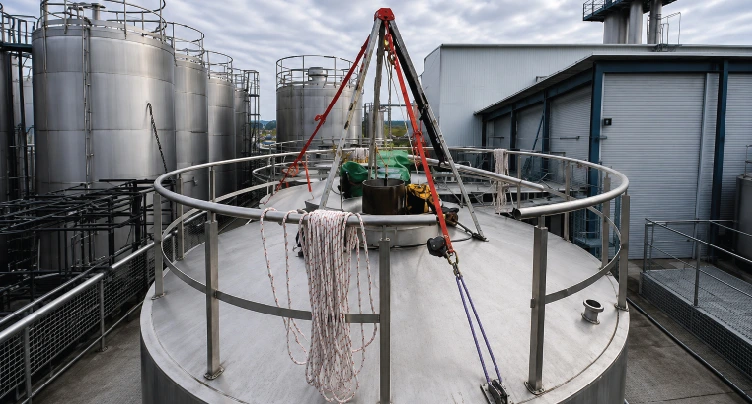
Rope Access Repair On High Level Ducting

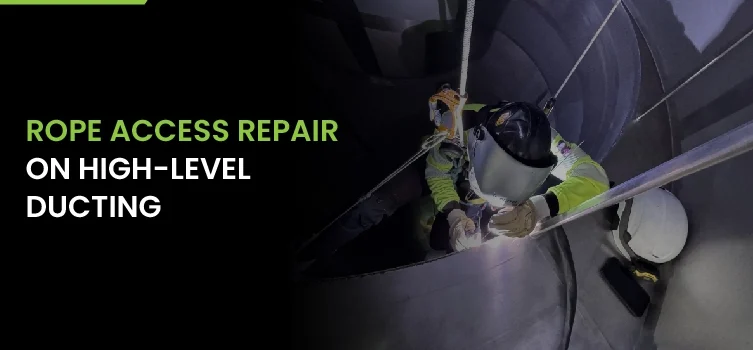
Rope Access Repair on High-Level Ducting

Context

A food ingredients manufacturer identified powder leakage from elevated process ducting located directly above a live production area. The leakage was not just an operational concern. It posed a serious risk of product contamination and raised combustible dust hazards that couldn’t be ignored. Traditional access methods would require tons of scaffolding, lengthy production stops, and much higher costs. So, the facility needed a quicker, less disruptive fix that still ensured top-notch, safe repair work.

Challenges

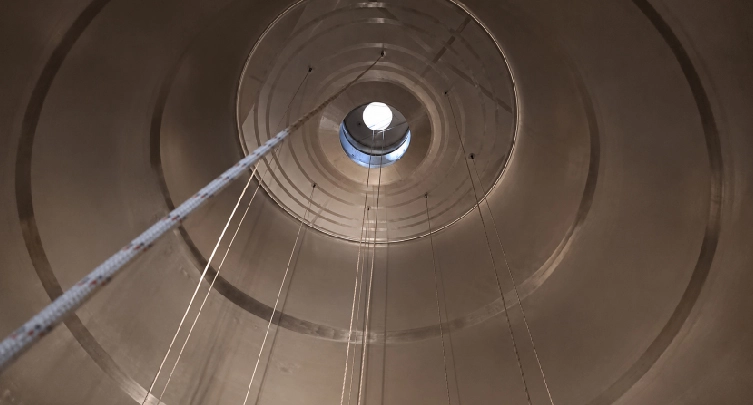
We were contracted to carry out a full inspection of the food manufacturing plant’s elevated ducting system while keeping disruption to the live production area to a minimum. The scope covered high-level stainless ducting, transition sections, support connections, and expansion areas. Working at height above an active facility added a layer of complexity that demanded specialist access capabilities alongside technical inspection expertise.

Inspect elevated equipment safely with Bioscan’s specialist rope access team.

Book an Inspection

The Bioscan Response

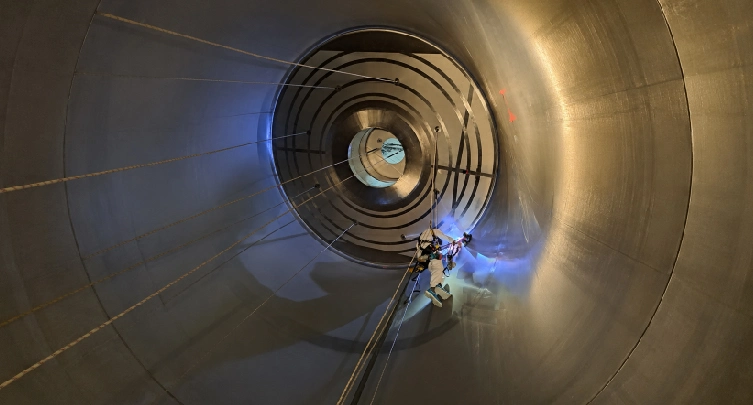
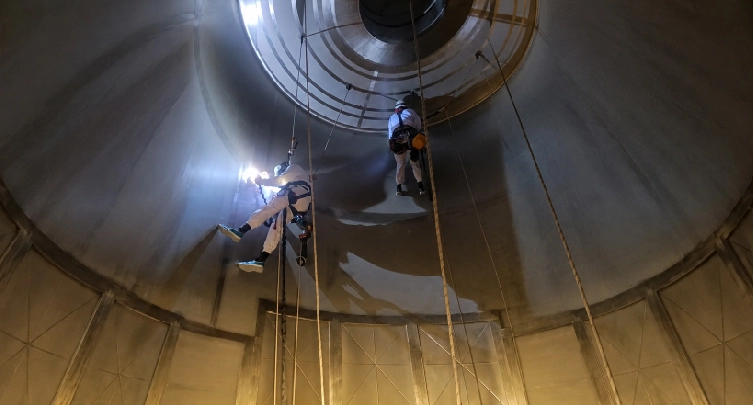
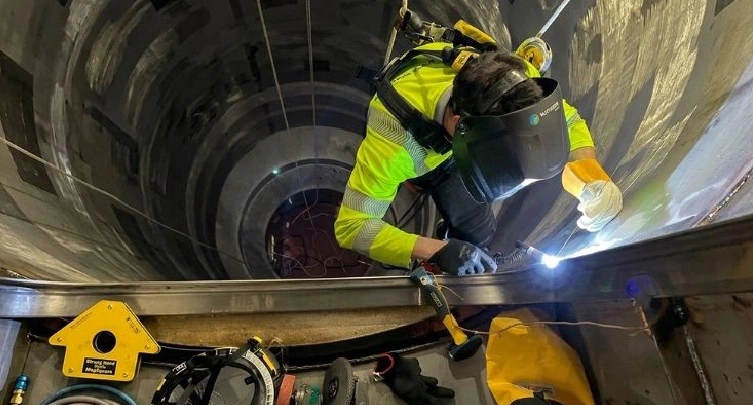
Bioscan mobilised a rope-access team to conduct a detailed food plant integrity inspection of all ducting components. Our inspection of industrial equipment at height revealed fatigue cracking around stressed duct transitions, weld separation in vibration-prone areas, and powder escape pathways hidden behind insulation and support structures. These defects had been allowing fine powder to accumulate in inaccessible areas, steadily increasing both hygiene risk and fire hazard with every passing production cycle.

None of these issues was identifiable through ground-level observation alone. Without a targeted rope-access inspection, the defects would have continued to worsen undetected.

Our team used the same rope-access method to take out the damaged parts, do the confined-space welding, and fix the hygienic finish right there on the spot. No big scaffolds needed for the whole repair job either.

Food Plant Integrity Inspection

Outcome

The project finished with barely any disruptions to the ongoing production. Powder leakage was totally eliminated, the ducting system became intact again, and hygiene and fire risks were taken care of, too. Moreover, the facility experienced far lower access costs and much less downtime compared to what a conventional scaffolding setup would’ve needed.

Resolve high-level equipment defects with minimal disruption using Bioscan’s expertise.

Get in Touch Today

Impact

This case shows how valuable rope-access skills are in food factories. They help with working at heights, cutting downtime, and keeping things clean. Bioscan made a complicated, risky fix simple and cost-effective. So, it transformed tough problems into manageable tasks.

If your facility requires specialist industrial equipment inspection services from a trusted industrial inspection company, contact us today.

Read More
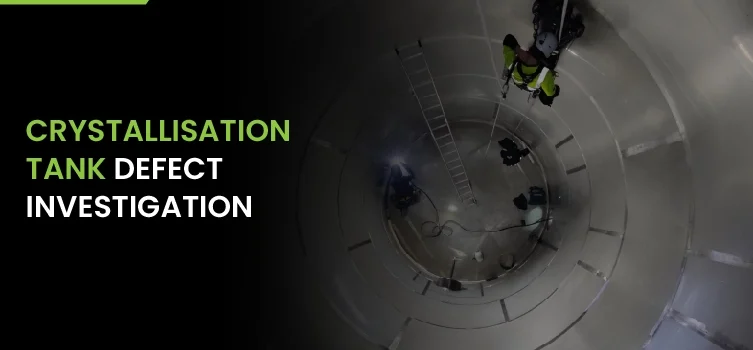
Crystallisation Tank Defect Investigation

Crystallisation Tank Defect Investigation

Context

A dairy processing facility had been experiencing recurring product build-up and inconsistent CIP (clean-in-place) results within its crystallisation system. Despite passing previous visual inspections, the quality team remained concerned due to intermittent microbiological deviations and repeated cleaning inefficiencies that continued to affect production reliability.

The crystallisation tanks had been subjected to years of temperature cycling along with agitation, which made them more vulnerable to fatigue cracking at their weld joints. Standard visual checks were no longer sufficient to provide the level of assurance the facility needed.

Silo Tank Inspection For Dairy Industry

Challenges

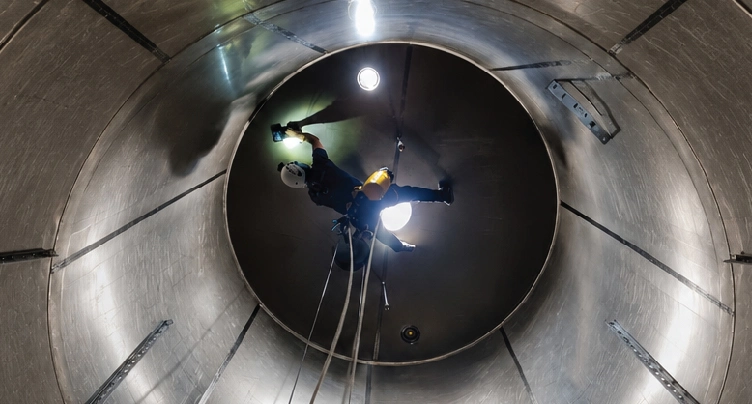
The requirement was to inspect the crystallisation tank internally for walls, agitator supports, weld joints, outlet transitions, and any areas that come into contact with the product. The purpose of such an inspection was to pinpoint the underlying cause of microbiological and cleaning issues at the plant.

Detect hidden defects in your processing equipment with Bioscan’s NDT expertise.

Book an Inspection

The Bioscan Response

Our team deployed a combination of electronic crack detection, close-access visual assessment, and confined-space entry techniques to assess areas inaccessible through routine checks. The crystallisation tank defect investigation revealed multiple non-visible cracks around internal weld seams, high-stress outlet transitions, and agitator mounting points. Several areas also showed signs of product retention, surface degradation, and localised microbial harbourage risk. Each one of those problems had gone unnoticed during previous visual checks, but was nevertheless a cause of the inefficiency and microbial problems that the team was experiencing.

As a result of our findings, we conducted weld repairs, hygienic polishing, and verification of surfaces in all of the affected areas.

Silo Inspection In Dairy Industry

Outcome

The cleanability of the tank had improved considerably; product build-up incidents had reduced, and the hygienic credibility of the system was completely regained by the customer. Long-term inspection intervals were also implemented, making it possible for planned maintenance.

Protect your facility’s hygiene compliance with Bioscan’s specialist inspection services.

Get in Touch Today

Impact

This case underscores the limitations of visual-only inspection in ageing dairy processing equipment. Without our non-destructive approach, the hidden defects would have continued to compromise food safety and cleaning compliance undetected. Bioscan’s dairy processing equipment inspection turned a persistent operational problem into a resolved and manageable maintenance programme.

If you are looking for reliable industrial equipment inspection services or need a specialist pressure vessel inspection for your facility, contact Bioscan today. We are just a call away.

Read More
Robotic Visual Inspections Missed 50+ Cracks — Feature Image 01

Robotic Visual Inspections Missed 50+ Cracks — Bioscan Found Them in One Visit

Overview

A multi-national dairy manufacturer relied on a robotic visual inspections for 3 consecutive years. Each inspection reported zero cracks inside the spray dryer, and the equipment was considered conformed.

In 2024, after hygiene deviations and rising micro counts, the manufacturer requested a full inspection from Bioscan using it’s advanced electronic crack detection. Bioscan identified more than 50 cracks and defects in a single visit.

Robotic Visual Inspections (Years 1–3)

  • HD visual robotic camera
  • Limited access in complex geometries
  • Limitied detection capability for micro-cracks or weld fatigue
  • 0 defects reported each year

Bioscan Inspection (Year 4)

  • Electromagnetic crack detection
  • Access platform and rope-access methods ensuring full surface coverage
  • 50+ cracks discovered, including:
    • Weld cracks
    • Fatigue cracks
    • HAZ cracking
    • Through-wall defects
    • High-risk cracks near nozzles, bustle, duct transitions

Get Your Spray dryer Inspection Done Right

Get in Touch

Impact on the Client

1. Major Unplanned Shutdown

The extent of damage required a two-week emergency shutdown, halting production immediately.

2. Direct Financial Costs

  • $200,000 – welding repairs, polishing, labour and specialist access
  • $950,000 – production losses from unplanned downtime
  • Total: $1,150,000 impact from issues that went undetected for three years

3. Contamination and Compliance Risk

Because cracks had been present for multiple years, the site faced:

  • Hidden microbial harbourage
  • Reduced cleaning effectiveness
  • Compromised hygiene during audits
  • Increased product quality risk

The visual inspection “all clear” created a false sense of security.

Resized Image

Root Cause of Missed Defects

  • Robot could not access or illuminate critical weld zones
  • Surface glare and product residue concealed cracks
  • Technology limited to visual inspection — no crack detection
  • No detection of early-stage or sub-surface defects

Outcome

  • Dryer restored to full hygienic condition after repair
  • Structural integrity re-established
  • Robotic inspections discontinued
  • Bioscan adopted as the annual inspection standard across the site

Get Your Spray dryer Inspection Done Right

Get in Touch

Conclusion

This case highlights the risks of relying solely on robotic visual inspection. Over 50 cracks developed undetected, resulting in:

  • Serious food-safety exposure
  • A two-week shutdown
  • $1,150,000 in unexpected costs

Bioscan’s technology provided the accuracy and depth needed to prevent future failures and
protect production integrity.

Read More