Bioscan Case Study Minimal Disruption

How Bioscan’s access platform enabled major repair works with minimal disruption

Challenge : Large Scale Repair Works With Minimal Downtime Disruption

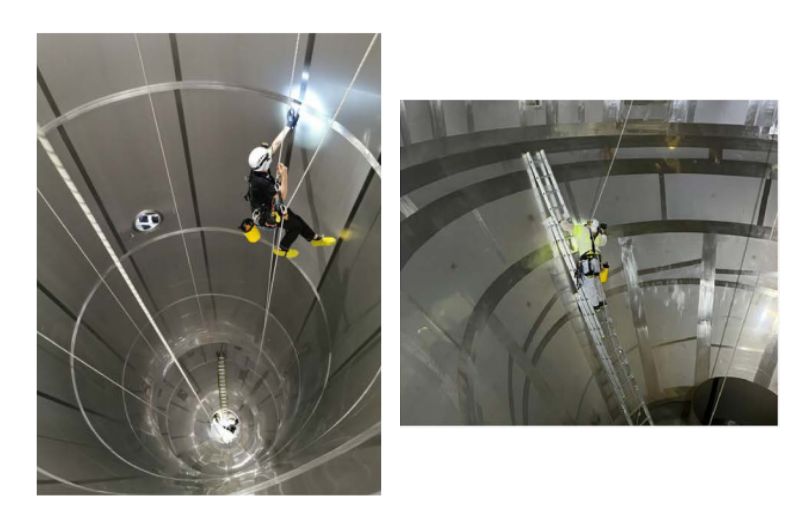
Bioscan recently assisted a client in October 2023 with some major repair works to their spray drying chamber alongside the assistance of our access platform and expert technicians.

Spray Dryer Chamber Repair Work Bioscan

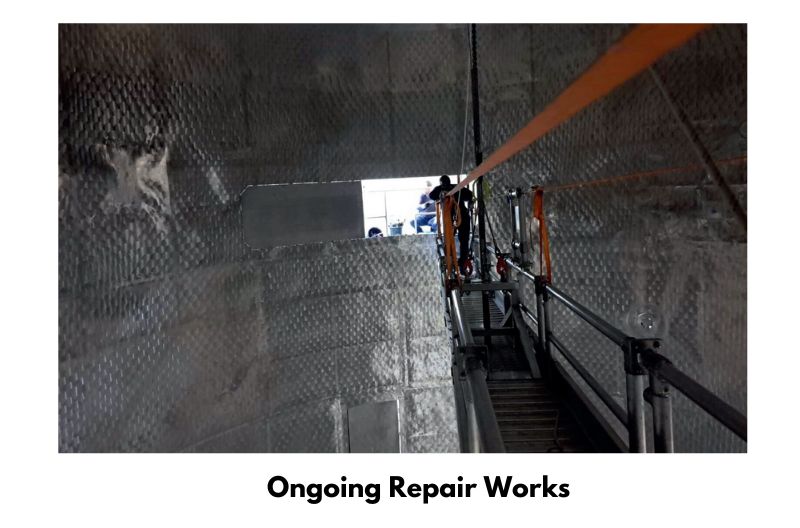
Spray Dryer Chamber Ongoing Repair Work

Learn More About Our Cutting-Edge Solutions and How It Can Benefit Your Operations.

Get in Touch

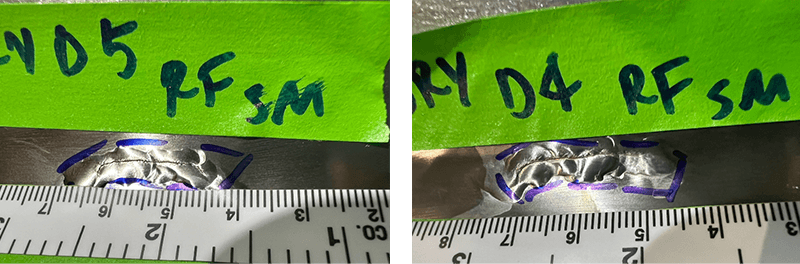
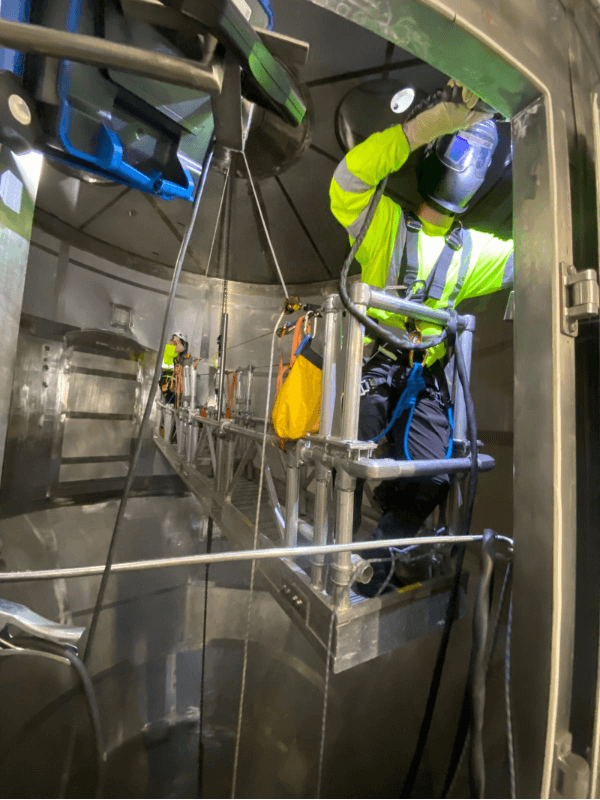
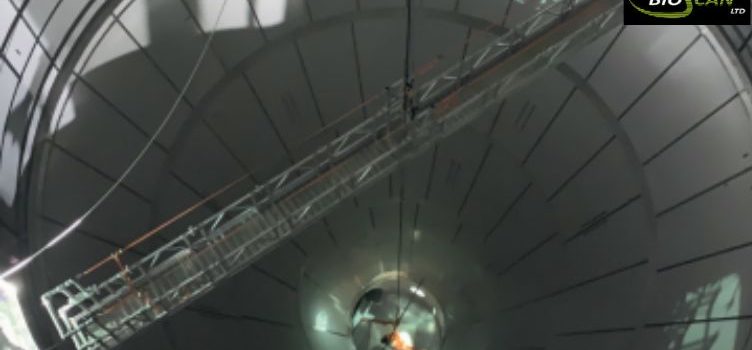
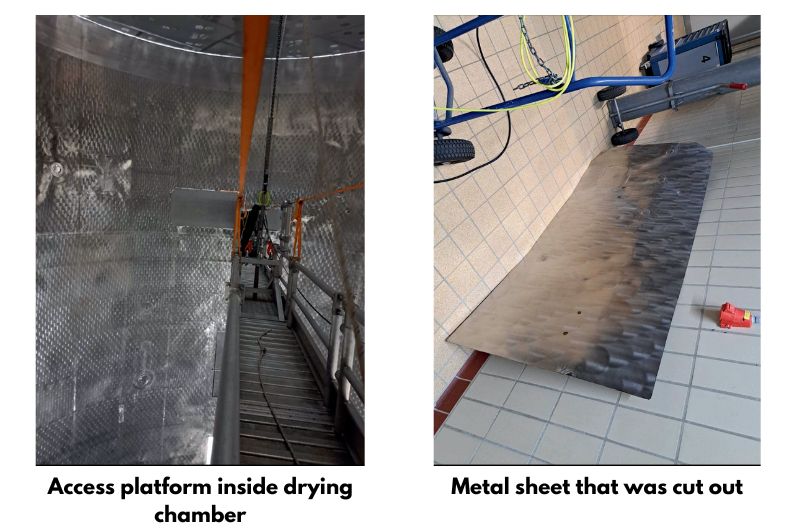
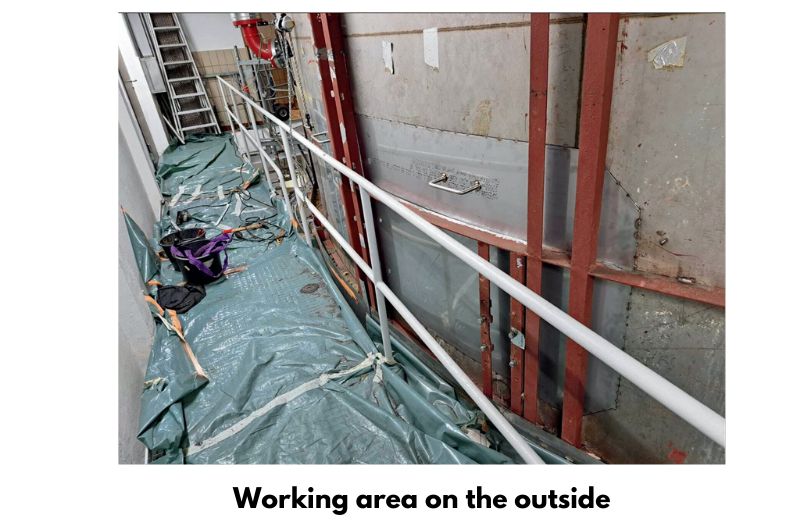
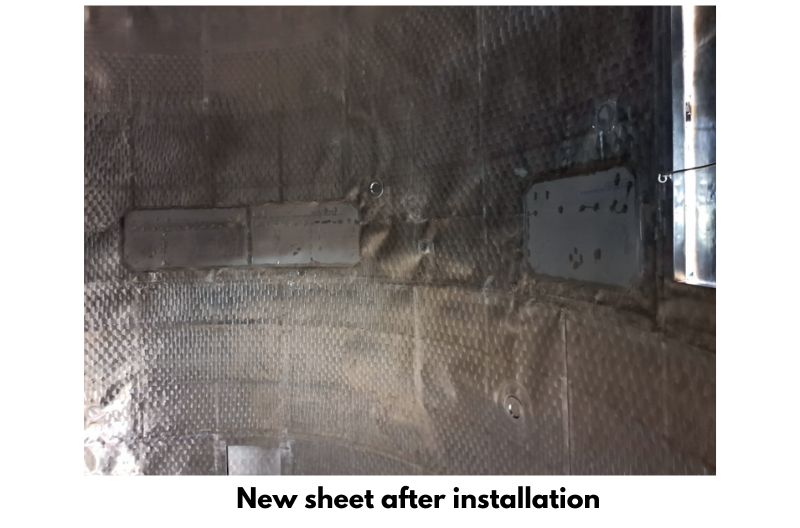
This is where utilising Bioscan’s access platform was discussed, meaning that no scaffolding was required to be installed inside the dryer. After initial setup of the platform which took 4 hours, the repair works could begin. As seen in the photos large sheets were cut out and replaced with ease from careful planning of the operation from the inside and outside of the drying chamber.

Spray Dryer Chamber Outside Working Area

Once the repair works were complete, Bioscan performed a final check of the welds and removed the platform. This saved the client approximately 4 days of production downtime from not requiring scaffolding.

Spray Dryer Chamber New Sheet Installation

This method can also be applied to other large scale projects within spray dryers such as sonic

horn, hammer, nozzles, fire suppression installation, modifications and removals.

To discuss how Bioscan can help you optimize downtime, please contact us today or send an email to sales@bioscanltd.co.uk.

Further Read: Inspection & Repair of Infant Formula Spray Dryers: Vietnam Case Study

Read More
Reactive vs Preventive Maintenance in Manufacturing Industry

Reactive Maintenance vs. Preventive Maintenance

Maintenance of equipment is an important aspect of the manufacturing industry which cannot be overlooked since it ensures smooth operations and extends the lifespan of the equipment.  An unexpected failure can lead to costly downtime and interrupt the production schedule. Therefore regular maintenance is important to prevent such unexpected equipment failures. There are different types of maintenance strategies that companies can adopt, including reactive and preventive maintenance.

Reactive maintenance involves taking measures once the equipment is broken and then repairing them to make the equipment able to work as normal as before. In contrast, preventive maintenance is focused on equipment issues in advance and taking steps to prevent them.

What Is Reactive Maintenance?

Also known as “Run to Failure,” this maintenance approach occurs when the equipment is already broken, and necessary measures must be taken. In this method, there are no prior annual or monthly inspections of the machine. Maintenance is only carried out once the machine is fully exhausted to restore the asset to normal operation.

Although reactive maintenance is not the most effective maintenance strategy, it has some advantages that make it a viable option for some companies. Here are some advantages of reactive maintenance:

1. Lower Initial Costs

Reactive maintenance initially saves money on upfront preventive maintenance and labour expenses. However, relying only on it and neglecting preventive maintenance can harm your business in the long term.

2. Minimal Planning

A reactive maintenance strategy doesn’t require any planning as the equipment is serviced only when there is a failure. 

3. Easy To Understand

This maintenance plan is a simple process as the individual has to react only when there is an equipment failure.

As every coin has two sides, reactive maintenance also has some disadvantages:

1. Higher Repair Costs

As equipment failures are often unpredictable, diagnosing the issue and finding spare parts may not be immediately accessible. Additionally, emergency repairs tend to be more costly than planned maintenance, which significantly increases the expense of reactive maintenance.

2. Lower Production Availability

Reactive maintenance can decrease production availability because equipment failures are typically unpredictable, and identifying their root causes can be challenging. This leads to lower capacity of production and lower profits.

3. Higher Downtime

Since the equipment failure is usually random, finding the root cause can be time-consuming. Shut-downs often happen at peak times, when a system or machine is working flat out, and that can cause all sorts of expenses around business interruption.

Ensure Your Equipment Is Always Running Smoothly With Our Expert Preventive Maintenance Inspection Services.

Get in Touch

What Is Preventive Maintenance?

This involves, performing regular, planned preventive maintenance activities to prevent unexpected equipment failures and downtime. The goal of preventive maintenance is to keep equipment in optimal condition and reduce the risk of accidents.

Here are a few advantages of preventive maintenance:

1. Increased Efficiency

By ensuring that equipment is regularly serviced and maintained, preventive maintenance helps keep the machinery in optimal condition, reducing the chances of unexpected breakdowns and downtime, which ultimately leads to improved productivity and cost savings.

2. Cost Savings

Preventive maintenance service saves you money by detecting and fixing the issues before they get too serious and expensive to deal with. It also cuts down on expensive emergency fixes and replacement parts.

3. Increased Equipment Lifespan

Preventive maintenance helps to extend the lifespan of equipment By keeping the equipment in optimal condition, preventive maintenance reduces the risk of unexpected breakdowns and increases the lifespan.

Preventive maintenance comes with specific challenges. They include:

1. Continuous Training

To effectively manage maintenance work, technicians or employees should be provided with sufficient on-site training. This may result in increased costs and require a labour-intensive approach, requiring an ample workforce to perform maintenance tasks.

2. Scheduled Downtime

Proper planning needs to be done before shutdown to provide the space and equipment access to the maintenance team so that they can perform routine cleaning and repairs. 

3. Higher Costs

Your maintenance team will be performing regular checks and minor repairs frequently to maximise the output. This would result in higher costs combining both labour and materials. 

Why Choose or Transition to Preventive Maintenance?

Preventive maintenance is a proactive approach that helps you identify and address potential issues before they become critical problems. With preventive maintenance, you can focus on the reliability of the equipment with regular inspections and maintenance ensuring that your equipment is in optimal condition. As with regular maintenance, you can avoid expensive emergency repairs and predictability allows you to schedule maintenance in advance.

Choose Bioscan For Your Preventive Maintenance Inspection

At Bioscan, we detect cracks and other defects within the equipment that could compromise product quality of the finished product, in stainless steel pressure and non-pressure vessels. Using advanced technology, we not only detect these issues but also measure crack depths and assess material thickness to identify weak spots. To minimize the damage that major cracking can create, we recommend carrying out preventive maintenance inspections frequently so that corrective action can be taken beforehand. 

An instance of prioritizing preventive maintenance took place in 2021 when one of our long-standing clients reached out for our services. During our thorough examination of their equipment, including spray dryers and other vessels, we found severe stress corrosion cracking in the weld seams. Unfortunately, rectifying these cracks required replacing the affected metal, requiring an extended shutdown.

Additionally, in our 2021 inspection we found an additional 50 cracks compared to the 15 defects addressed during our 2016 inspection. More frequent inspections could have fixed the problem early or been better managed with yearly checks.

Check Here for a detailed Case Study:  Determining the Frequency of Preventative Maintenance Inspections

Our global services are easily accessible – you can have our access equipment shipped directly to your plant. Alternatively, for a cost-effective approach, you can purchase the equipment from us and store it at your facility.

When you’re ready for testing, our dedicated technicians will be available at your location to conduct the tests for you. Feel free to contact us, if you are planning to carry out the preventive maintenance checks. You can also email us at sales@bioscanltd.co.uk to learn more about our services.

Read More
Safety Measures For Crack Testing Of Equipment

Safety Measures for Crack Testing of Equipment in the Food Industry

Quality control is of utmost importance in the food industry to ensure the consumer’s safety and health. Avoiding contamination is a priority for the food processing industry to maintain the consumer’s trust in the brand, avoid health hazards associated with food poisoning, and safeguard the brand’s reputation.

Processors often face contamination caused by cracks in food production equipment, like spray dryers, silos, and tanks. As a result, early, regular, and comprehensive crack detection becomes a crucial aspect of equipment maintenance. Also, it is equally crucial to ensure proper safety measures are followed during the crack testing to avoid further damage and contamination. In this blog, we will cover the importance of crack testing in the food industry, types of crack testing methods, and safety measures for crack testing.

Importance Of Crack Testing In The Food Industry

Crack testing in the food industry is crucial for food safety, quality assurance, and brand reputation. Non-destructive crack testing is a more efficient way of doing so, in comparison to traditional means that are costly, time-consuming, labour-intensive, and often inaccurate.

Timely crack detection can also help you avoid extended downtime and repairs. As most businesses are looking to maximise profit, regular crack testing becomes a crucial part of the manufacturing process.

Types Of Crack Testing Methods Used In The Food Industry

  • Visual Inspection: Visual inspection refers to checking for cracks and defects visually with the human eye, or using cameras on drones and robots. This is the most basic method and isn’t accurate enough to detect all cracks.
  • Dye Penetrant Testing: In dye penetration testing, a liquid chemical is applied to the surface of the structure. If any cracks are present, the liquid seeps in, making the cracks visible often under UV light. However, this is a very time-consuming process and the risk of contamination is increased without proper post-test cleaning.
  • Eddy Current Testing: Eddy current testing is usually performed by sending electromagnetic currents through the structure and graphing the response. This technology can help to detect surface and sub-surface cracks that might not be easily seen. It is extremely accurate but very time-consuming.
  • Bioscan Technology: Bioscan uses state-of-the-art electronic testing technology that can accurately detect cracks and their depths, without the use of dyes or chemicals. This technology is very effective and requires minimal downtime.

Schedule Your Comprehensive Crack Testing Inspection with Bioscan!

Get in Touch

Safety Measures For Crack Testing In The Food Industry

1. Preparing The Testing Environment

Preventing contamination is extremely important in the food industry; hence, all equipment and tools must be cleaned and sanitised before they enter the production areas. This step is essential for preventing cross-contamination. The surface of the silos and spray dryers are also cleaned to allow for the best inspection process.

2. Personal Protective Equipment (PPE) For Food Industry Context

PPE such as gloves, masks, and hair nets are vital for anyone entering the structure. The PPE kit used for the food industry must be food-safe and kept hygienically to ensure product integrity. The PPE kit should align with the industry standards to ensure worker safety and prevent contamination.

3. Containment And Food Safety

Preventing contamination is essential for maintaining food safety. Dirt, dust, and other elements can enter the structure during crack test inspection services, which compromises the safety of the products. Once the testing is done, cleaning and sanitisation should be done once more to prevent any residue from causing quality control issues.

Further Read: How to Safely Perform Inspection Work at Heights

Specific Safety Measures Crack Testing Methods In The Food Industry

  • Proper lighting should be available during the inspection.
  • Inspectors must wear the correct PPE within their working environment
  • Proper ventilation should be provided to maintain the air quality.
  • Workers should wear the correct PPE to avoid contact and inhalation of dye if it’s being used.
  • Post-testing cleaning and sanitation of the inspected equipment is crucial.

How Can Bioscan Help The Food Industry Incorporate These Safety Measures?

Bioscan helps processors detect cracks, incomplete weld fusion, corrosion cavities, porosity and other defects. If these faults go undetected, they can cause contamination and/or cross-contamination that compromises food safety.

Bioscan’s electronic testing method provides detailed and accurate information about the type of defect in the structure and its severity. This non-destructive testing reduces downtime and even detects non-visible cracks. Preventive testing can help organisations stay updated about their equipment condition and avoid any regulatory or audit violations.

Additionally, if any defects are found, Bioscan’s fully qualified welders begin working to fix them in a timely manner. Our welders are well-trained to ensure all food-grade welding and polishing standards are met.

Conclusion

Defects and cracks in the spray dryers, silos and tanks can be dangerous for the food industry. As a result, frequent preventive crack testing becomes crucial to maintain equipment health and avoid extended downtimes. Bioscan’s high-tech electronic testing helps to detect visible and non-visible defects within 1-2 days.

Our trained and experienced professionals are also capable of repairing any defects. If you are looking for comprehensive crack testing and repair services for spray dryers, process tanks, cyclones, fluid beds, etc., contact us today!

Read More