en
en fr
fr es
es de
de
Bioscan’s Electronic Testing Technology For Spray Dryers Inspection
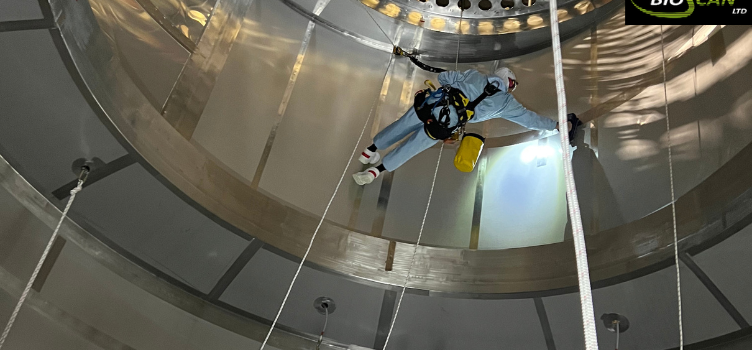
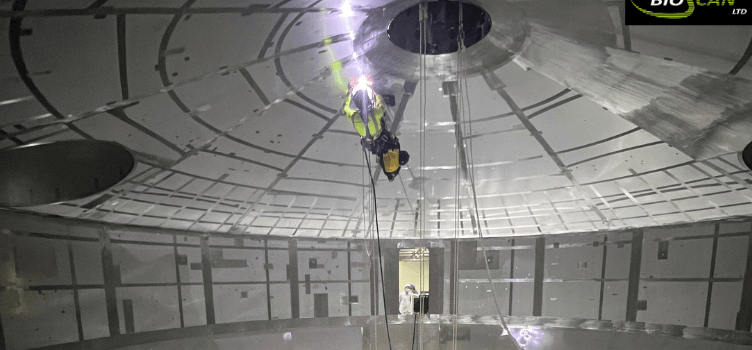
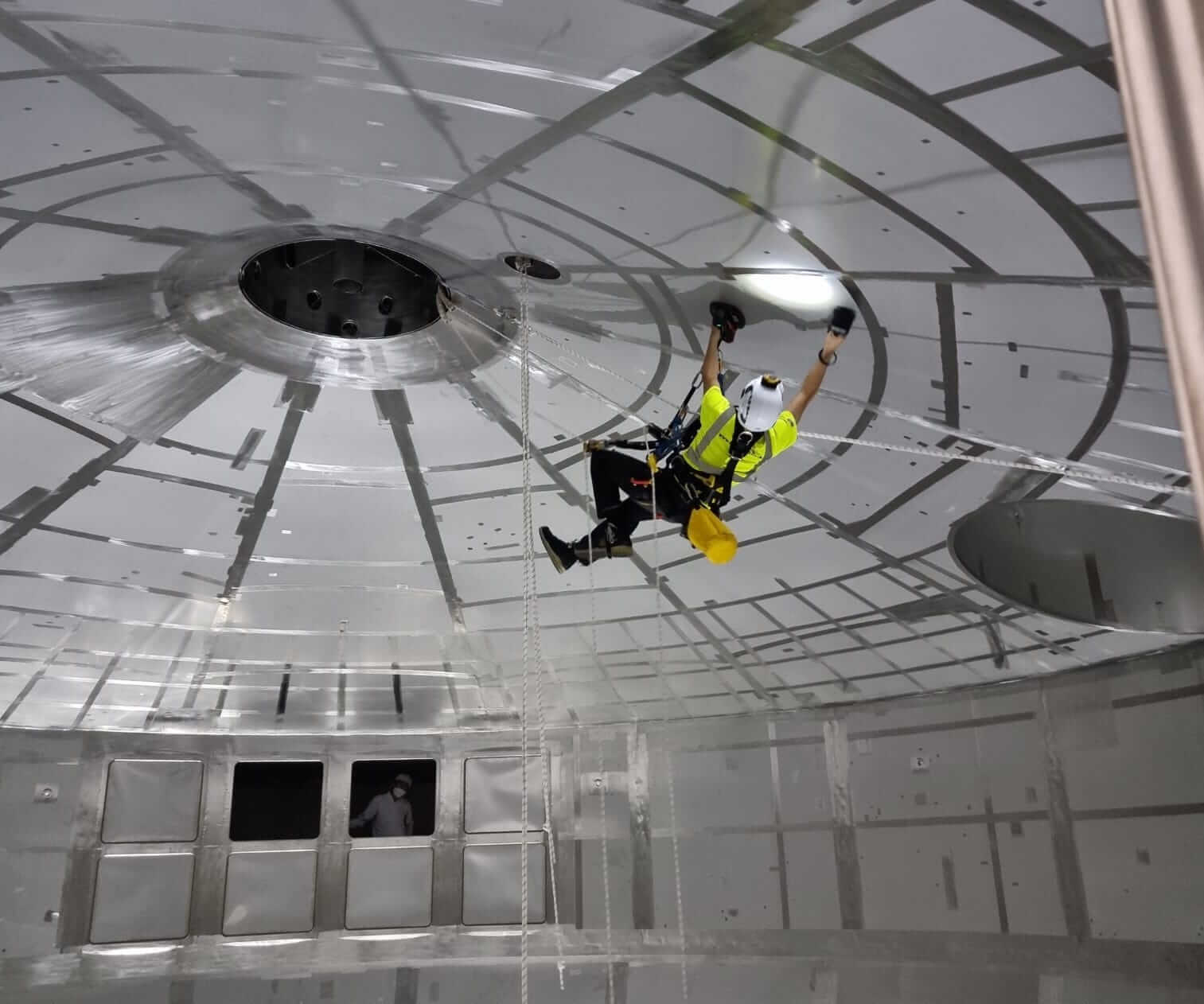
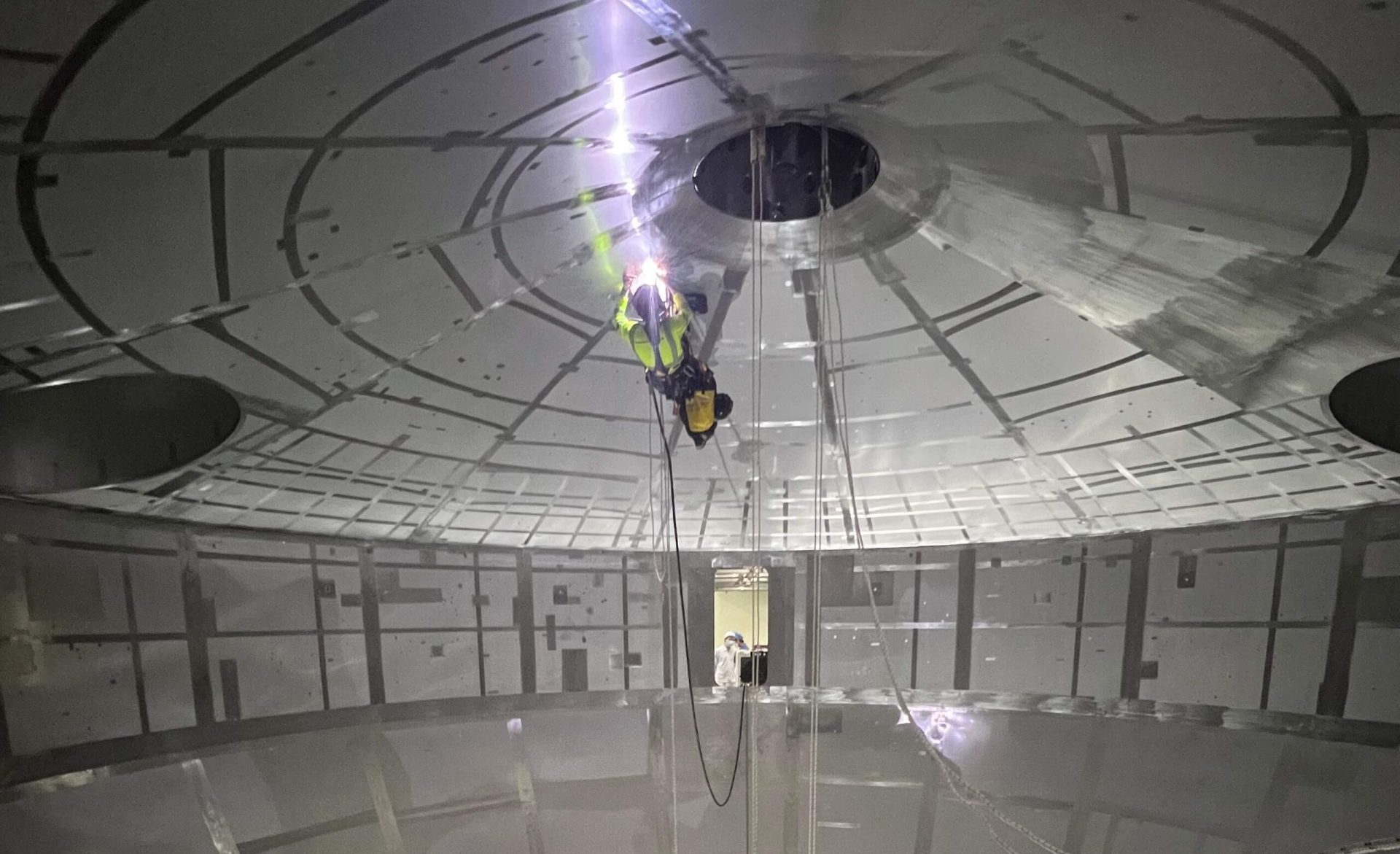
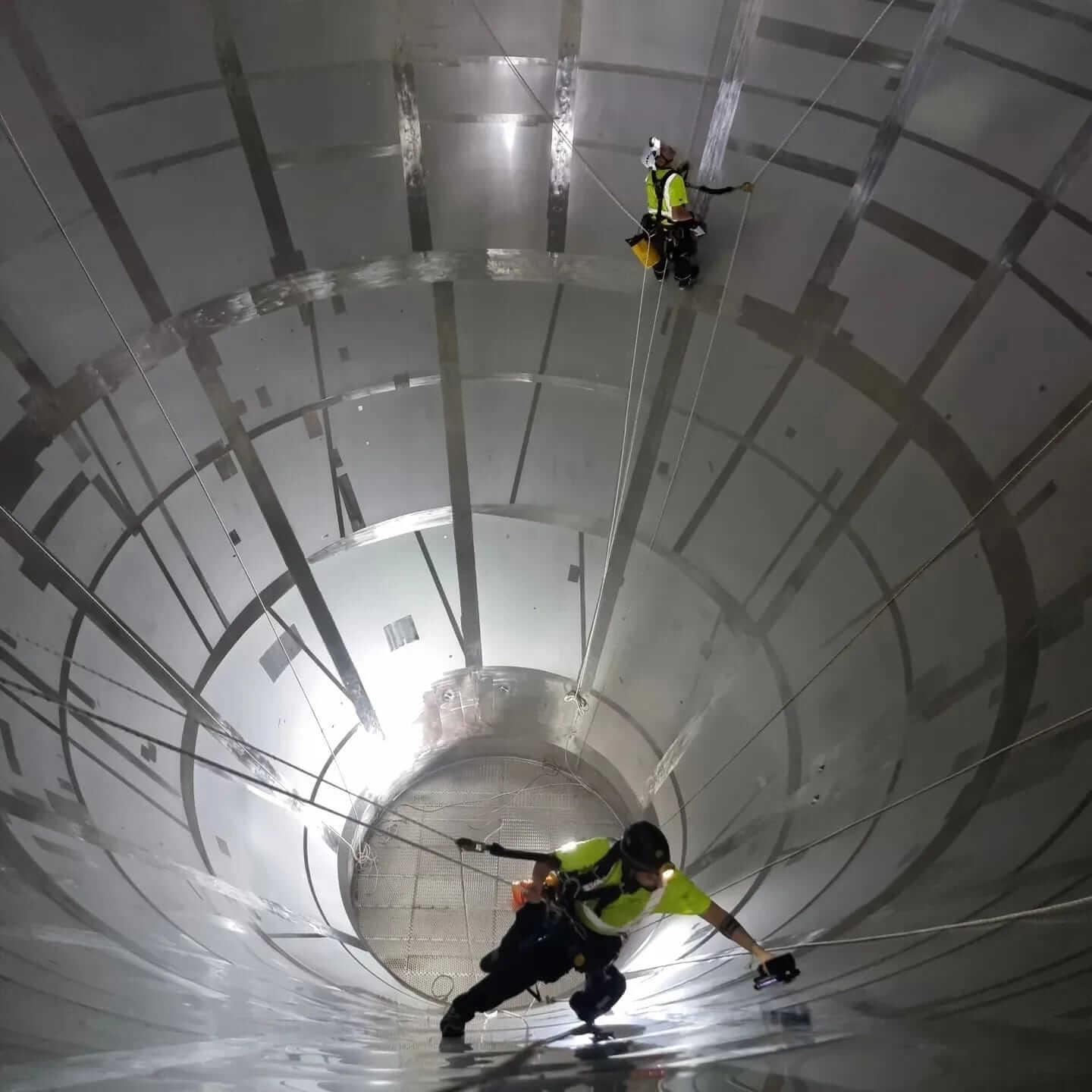
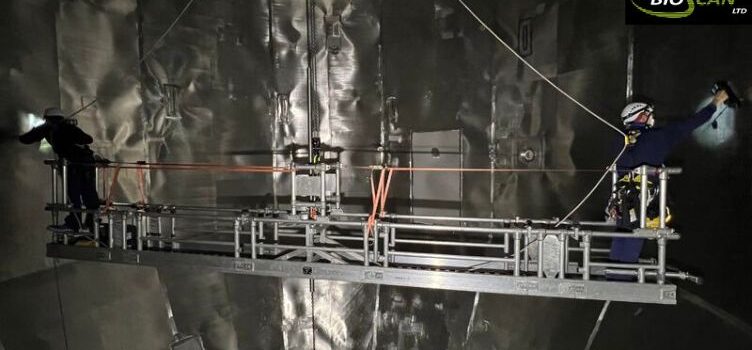
Bioscan’s electronic testing technology is a non-destructive integrity inspection methodology used to inspect the internal surface integrity of industrial spray dryers. Bioscan utilises this inspection technology to electronically detect different defaults within the stainless steel, such as; cracks, incomplete welds (lines or spots), cavities caused by corrosion, porosities, and other defects.
Bioscan’s electronic testing technology has several advantages over other testing methods, which make it a viable alternative. Bioscan’s electronic technology helps manufacturers of food and pharmaceutical products to accurately detect cracks and defects. Being a non-destructive testing method, various industry professionals prefer electronic testing. Electronic testing provides the most accurate results, even when compared to other non-destructive testing methods like visual inspection or dye testing. Continue reading this blog as we delve deeper into the importance and benefits surrounding electronic integrity testing technology.
A] Importance Of Integrity Inspection In Spray Dryers
Spray dryers are a crucial part of many industrial processes across food and pharmaceutical manufacturing. They are subjected to mechanical and chemical impacts, moisture, and dynamic temperatures, which affect their structural integrity. A spray dryer can face various integrity issues, such as cracks, corrosion, pores, and bacterial growth. These issues can be very expensive and time-consuming to fix and affect product safety, leading to cross-contamination risks.
Many of the integrity and safety issues can be addressed early and even prevented with regular spray dryer crack testing. Regular testing can identify cracks and defects early and employ preventive maintenance to avoid extended downtimes. Preventative maintenance can be replacing certain areas of the metal, repairing complex defects or complete replacement of the asset.
Inquire about our expert spray dryer integrity inspections!
B] Benefits Of Bioscan’s Electronic Testing Technology For Spray Dryer Integrity Inspection
1. High Accuracy
Bioscan’s electronic testing detects cracks with very high levels of accuracy. It can detect the smallest of cracks and the slightest of defects. The testing devices are so accurate that they can differentiate between actual defects and minor scratches. This accuracy allows Bioscan’s experts to focus on the crucial defects within the spray dryer. The testing process happens in real-time, so repairs and maintenance can be started immediately to ensure minimum downtime disruption and the safety of the assets once back in production.
2. Non-Visible Defect Detection

Many non-destructive testing methods, like dye penetrant and visual methods, cannot provide an accurate assessment of non-visible defects. Electronic testing methods can accurately detect non-visible defects, such as corrosion, internal pores, and small fine cracks. Discovering and repairing such defects early can help in risk mitigation and reduce downtime.
3. Environmentally Friendly
Unlike dye testing, Bioscan’s electronic testing does not require any additional invasive particles/chemicals. This reduces the risk of contamination and hence, eliminates the need for extensive cleaning and disposal processes. The eco-friendly nature of electronic testing makes it a preferred choice for spray dryer testing.
C] How Does Bioscan’s Electronic Testing Technology Perform Integrity Inspection of Spray Dryers in the Manufacturing Industry?
Bioscan uses the state of the art electronic testing technology to detect even the smallest of cracks and defects without any chemicals or dyes. Our technology covers the entire surface of the spray dryers and can detect defects at a depth between 0.25mm and 5mm.
To conduct a comprehensive inspection, a controlled electrical current is induced into the surface of the material at a high frequency. The surface material is usually made from stainless steel, which interacts with the current and sends the signals back. The response is measured using a device which shows the variation in conductivity, structure, and integrity of the spray dryer surface. The variation is measured to detect the sub-surface flaws in the equipment.
Bioscan’s system is made up of two control units:
- A multi-channel scanning unit which allows a fast analysis of large surface areas.
- And a single-channel probe, which enables the inspector to scan the small surfaces and hard access areas such as angles, and details of connecting pipes and sheet steels.
Further Read: Inspection & Repair of Infant Formula Spray Dryers: Vietnam Case Study
Conclusion
Bioscan offers electronic testing technology to evaluate cracks and structural defects in industrial spray dryers with precision. Regular spray dryer inspections can help to minimise downtime and increase the safety of the final product being manufactured.
Bioscan’s electronic testing technology offers highly accurate results and can detect even the smallest of defects which may not be picked up by other methods. Moreover, the electronic method doesn’t use harsh chemicals, it is environmentally friendly and doesn’t affect the integrity of the structure. You can improve your spray dryer testing process by adopting electronic testing technology. Feel free to contact us for more information, our experts are always available to help you!